
The first few weeks with a newborn pass by in the blink of an eye. Tiny fingers, delicate toes, and miniature hands quickly grow, making parents eager to preserve these precious memories forever. One of the most beautiful ways to capture these fleeting moments is through Baby Hand and Foot Casting. These keepsakes create a timeless impression of your baby’s tiny features and often become treasured family heirlooms.
However, many parents naturally wonder whether the casting process is completely safe for newborns. Since a baby’s skin is highly delicate and sensitive, it is important to understand the materials, methods, and precautions involved before choosing a casting session. The good news is that professional baby hand and foot casting is generally considered very safe when done correctly using baby-friendly materials and experienced handling techniques.
What Is Baby Hand and Foot Casting?
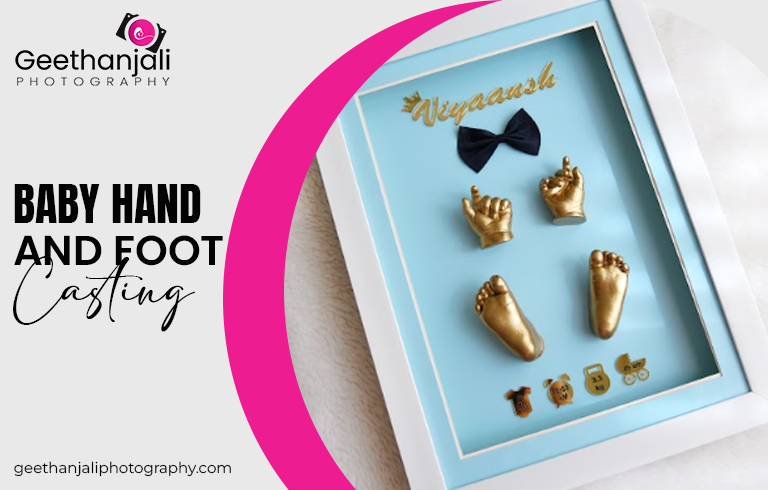
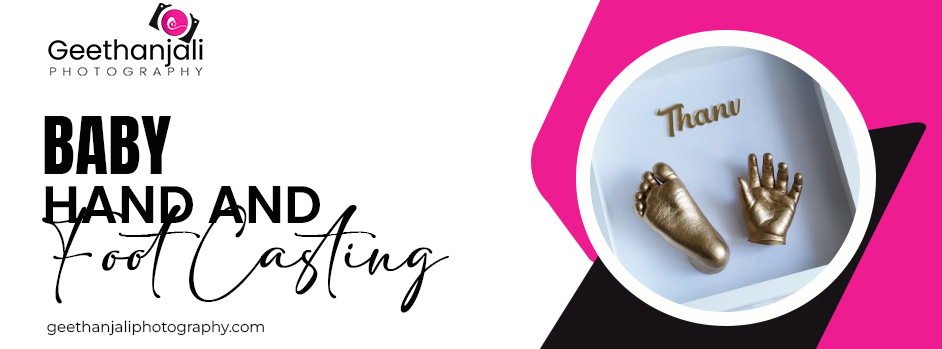
Baby hand and foot casting Bangalore is a process in which a mould is created from a newborn’s tiny hand or foot using soft impression materials. Once the mould is formed, it is filled with casting material such as plaster or resin to create a permanent replica.
These casts can then be framed, displayed, or customised with names, birth dates, and decorative designs. Many parents choose this keepsake because it preserves the exact size and shape of their baby’s tiny features during the earliest stage of life.
Is Baby Casting Safe for Newborns?
Yes, baby hand and foot casting is generally safe for newborns when performed by trained professionals using non-toxic, skin-safe materials. Reputable photographers and casting specialists use products specifically designed for infants and ensure the process is quick, gentle, and comfortable.
The safety largely depends on three important factors:
- The quality of materials used
- The experience of the professional handling the baby
- Proper hygiene and temperature control during the process
When these factors are maintained, the procedure is harmless and painless for newborns.
Materials Used in Baby Casting
Professional Baby Hand and Foot Casting typically uses alginate-based moulding materials. Alginate is widely used because it is:
- Non-toxic
- Hypoallergenic
- Soft on delicate skin
- Quick-setting
- Safe for temporary skin contact
Alginate moulds usually set within one or two minutes, reducing discomfort and minimising the amount of time the baby’s hand or foot remains still.
After the mould is made, plaster or resin is poured into it to create the final cast. Since the casting material does not directly touch the baby’s skin during the final stage, there is no risk associated with the hardening process.
Why Professional Experience Matters?
While DIY baby casting kits are available online, professional services are often the safer option for newborns. Experienced professionals understand how to handle babies gently and calmly throughout the process.
A trained expert knows how to:
- Support delicate wrists and ankles properly
- Prevent unnecessary pressure on tiny joints
- Work quickly to reduce baby discomfort
- Maintain hygienic conditions
- Use safe water temperatures and materials
Newborns can become fussy if they feel cold, uncomfortable, or overstimulated. Professionals of baby feet casting are skilled at keeping the session calm and baby-friendly, making the experience smoother for everyone involved.
Common Concerns Parents Have
Will It Hurt My Baby?
No, the process is painless. The moulding material feels soft and slightly cool but does not cause pain. Most babies remain calm during the procedure, especially if they are sleepy or recently fed.
Can the Materials Irritate Sensitive Skin?
High-quality baby casting materials are specifically designed to be skin-safe and hypoallergenic. However, parents should always confirm that non-toxic products are being used before the session begins.
Is There Any Risk of Breathing Issues?
The casting process only involves hands and feet and does not cover the baby’s face or interfere with breathing in any way. Professional baby casting is entirely external and safe when performed correctly.
What If My Baby Moves?
Newborns naturally move frequently, but experienced professionals know how to work around gentle movement. Since the moulding material sets quickly, small movements usually do not affect safety.
Best Age for Baby Hand and Foot Casting
Many parents choose to do baby hand casting within the first two to four weeks after birth because babies are usually sleepier and easier to position during this stage. Their hands and feet are also incredibly tiny, making the keepsake even more special.
However, casting can safely be done later as well. Some families even create multiple casts at different milestones to document their child’s growth over time.
Tips for a Safe and Comfortable Casting Session
To ensure the safest experience possible, parents should keep a few simple tips in mind.
Choose a Reputable Professional
Always select an experienced newborn photographer or casting artist who specialises in baby-safe procedures. Read reviews, ask about materials used, and check previous work.
Schedule Around Baby’s Routine
A well-fed and sleepy baby is usually more relaxed during the session. Try scheduling the appointment after feeding time to keep your newborn calm.
Ask About Hygiene Practices
Clean equipment and sanitised materials are extremely important for newborn safety. Ensure the studio or professional follows proper hygiene standards.
Monitor Baby Comfort
The professional Newborn photographer in Bangalore will prioritise your baby’s comfort at every stage. If the baby becomes overly distressed, the session should pause immediately.
Emotional Value of Baby Casting
Baby hand and foot casting is not only about creating art. It is about preserving emotions, memories, and milestones that disappear too quickly. Parents often become emotional years later when comparing the cast to their growing child’s hands and feet.
These keepsakes can also become meaningful gifts for grandparents and cherished family treasures passed down through generations. Many families display casts alongside newborn photographs to create a complete memory wall celebrating their baby’s earliest days.
Combining Baby Casting with Newborn Photography
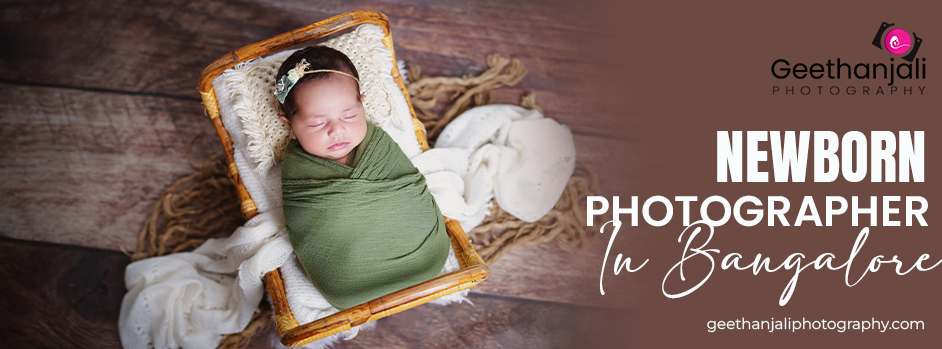
Many parents choose to combine hand and foot casting with a professional newborn photoshoot. This combination beautifully captures both visual memories and physical impressions from the same precious stage of life.
Professional photographers who specialise in newborn 3D & Hand Casting training often understand baby safety, posing, lighting, and handling techniques exceptionally well. Combining these services creates a more seamless and meaningful experience for families.
Bottom Line
Baby Hand and Foot Casting is generally a safe and beautiful way to preserve the tiny details of your newborn’s earliest days. When performed by experienced professionals using baby-safe materials, the process is gentle, painless, and completely harmless.
These delicate keepsakes become lifelong reminders of a stage that passes far too quickly. If you are looking to combine precious newborn memories with artistic keepsakes and professional photography, Geethanjali Photography offers beautifully crafted newborn photography experiences designed to capture every tiny detail with care, creativity, and safety at the heart of every session.